Sunday, 28 June 2015

Sunday, 21 June 2015
Friday, 19 June 2015
Wednesday, 17 June 2015
Some Reflections on Young Leaders Day trip
You can read more by clicking on the blog links on the right...
Abbie:
Who was your favourite speaker and why? (Describe in at least 4 sentences).
My favourite speakers were all of them except Jamie McDell, This is my opinion. She ok, she was talking about what she wears a bit much. I thought she had ok advice. I took away was give it 100%, be confident and young people have the power to make a change.
I Think it was very creative of Marcus to show leadership, dreams and goals in a piece of artwork and it sent a great message. It was that with you goals you have to climb a mountain. Get some flow like a waterfall or river, keep going straight give it all your effort to keep you going. Surround yourself with good people that will give you support and help. Marcus inspired me into doing sand art and giving it a try.
Chris Jupp was also very good. He was the bully at all schools he went to, people who bullied him he bullied them back which wasn’t a good way of solving it. One day the school was doing a fundraiser for World Vision called the 40 Hour famine, He heard that if you do it you get a bit of time out of class. So he did it for a whole year and had loads of fun. Then the principal asked Chris if he wanted to help run the 40 hour famine for the school and he said yes. Then he learnt what 40 hour famine was about and felt sorry for the poor all over the world. Then he worked for World Vision. My favourite quotes from him was “Everyone has a chance to change the world” “You can do anything if you work hard”
Kyle:
Who was your favourite speaker and why? (Describe in at least 4 sentences).
My favourite speaker was Chris Jupp. He thought only of himself when he joined the 2011 40 Hour Famine because he wouldn’t have to go to school. But then he looked at a video about kids in Mongolia and how they starved, so he did it for the kids and was made the leader of the 40 Hour Famine at his college. He was a man who gave up stuff for other people.
Kaed:
What did you think of NYLD 2015. Give your opinion and reasons why you hold these opinions (at least 4 sentences).
I thought that young leaders day was an awesome day because we had really inspiring people talking to us . And I learn't how to be a better leader and how step up to people . Also I learn't You don't have to know what you want to do when you are older .But it is really good go have an Idea . I think that year sixes from all around New Zealand. Should go to young leaders day and to have the opportunity to go You will learn heaps.
Shanelle:
What have you learnt about being a leader? (At least 4 sentences).
That you don't have to be stood out, You might be taking a huge part in something but just because you are, you don't have to show off. Always be passionate and aim high don't worry about something you want to do. If you want to do it, do it. Be positive, Because one little thing can change a lot of people's lives and even the WORLD!. Follow what you want to do, not what other people want you to do. Don't try and change yourself, You are who You are, not anyone else!
Wilson:
What have you learnt about being a leader? (At least 4 sentences). don’t just think about yourself think about others. don’t be a bully don’t be a bad influence to other people. be nice be thankful that you have money and you don’t live on the streets. be happy you can go to school and have a good education.
Daniel:
What did you think of NYLD 2015. Give your opinion and reasons why you hold these opinions (at least 4 sentences).
NYLD was really enjoyable listening to the speakers. I can hear people yelling and screaming. It was enjoyable listening to the speaking because the speakers had very good messages. All the students really yelling and screaming to get the speakers up onto the stage.
Sunday, 14 June 2015
Thursday, 11 June 2015
Friday, 5 June 2015
Izzy's Learning Reflection
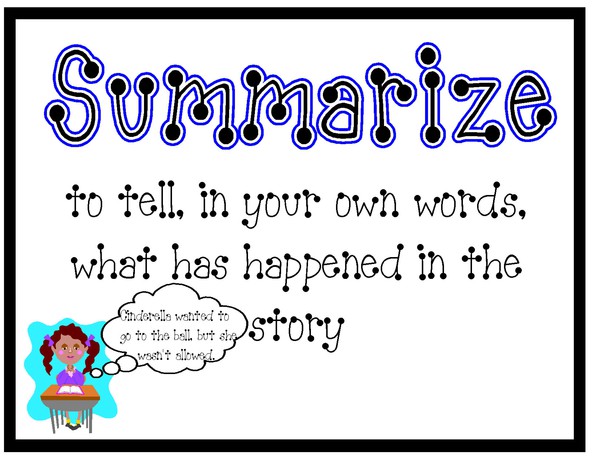
At the start of week one of my learning goals was summarising a text. But then Mr A held a little work shop on summarising and we learnt about how to summarise and it was great.
We were reading a text about the weather machine and we had to find out what kind of batteries it needed. We learnt about only summarising the main ideas and not the back up ideas. Its really easy sucking out all the main ideas normally they are in the first sentence in a paragraph or mentioned twice or more.
I persisted and then i got. It now summarising is very easy.
We were reading a text about the weather machine and we had to find out what kind of batteries it needed. We learnt about only summarising the main ideas and not the back up ideas. Its really easy sucking out all the main ideas normally they are in the first sentence in a paragraph or mentioned twice or more.
I persisted and then i got. It now summarising is very easy.
Tuesday, 2 June 2015
Writing Our Own W.I.T.s
This term we are doing things a bit differently. As part of our learning in Health and PE, we have selected an area of interest from our Health and P.E. brainstorm (scroll down). Some tasks are now ready and groups are starting tomorrow. The class have done fantastic - they have found that it is not so easy to write a learning task - lots of empathy for the teacher!
It is important to remember that it is the Learning to Learn skills and Cross Competency skills which are the areas we really want our students to develop through the W.I.T.s. These are the skills that help develop independent, life-long learners who can learn anything effectively!
I am very impressed by the standard of the tasks, the critical thinking gone into them and the open-mindedness displayed when I met with each group to discuss what they had written. Each group took feedback on board.
Here are some of the tasks:
It is important to remember that it is the Learning to Learn skills and Cross Competency skills which are the areas we really want our students to develop through the W.I.T.s. These are the skills that help develop independent, life-long learners who can learn anything effectively!
I am very impressed by the standard of the tasks, the critical thinking gone into them and the open-mindedness displayed when I met with each group to discuss what they had written. Each group took feedback on board.
Here are some of the tasks:
Friday, 29 May 2015
IKAN goals
I did alright in my IKAN test, I could of got more done. But my brain my nervous!
I got 29/40 and i got more than last time but could of got more right.
My goals: Know the number of hundreds in numbers
Know some multiplication (7x 8x 9x 11x 12x)
learn subractions facts (speed)
I got 29/40 and i got more than last time but could of got more right.
My goals: Know the number of hundreds in numbers
Know some multiplication (7x 8x 9x 11x 12x)
learn subractions facts (speed)
Tuesday, 26 May 2015
Monday, 25 May 2015
Friday, 22 May 2015
Inferencing a text by Shanelle
Inferencing..............
When you inference its when the author doesn't say directly in the text but you piece what you already know with what the clues are in the text. Inferencing is when you use what your already know (e.g what you have done,read or seen before) with what the author has already explained in the text. Another part of Inferencing is predicting (predicting is when you think about whats going to happen next).
(e.g) - The guests went for second helpings,she could infer that they enjoyed their meal.
When you inference its when the author doesn't say directly in the text but you piece what you already know with what the clues are in the text. Inferencing is when you use what your already know (e.g what you have done,read or seen before) with what the author has already explained in the text. Another part of Inferencing is predicting (predicting is when you think about whats going to happen next).
(e.g) - The guests went for second helpings,she could infer that they enjoyed their meal.
Thursday, 21 May 2015
Health and P.E. in school
Today we talked a bit more about Health and P.E. and why we have it in schools. This is what it says in the NZ curriculum documents: "For students to learn how to take increasing responsibility for their own well-being and the well-being of others."
We talked about this and discussed what it means. Here are some responses:
Isabelle says: For people to learn how to take more responsibility for their own health and the health of others.
Briana and Shanelle say: It's our role to learn to take more and more responsibility for us being well and healthy and to help others that want help from us.
Ethan and Riley say: Want students to learn to take more and more responsibility for their own health and others health.
Abbie says: Taking more and more roles for your own health and others health
Jack says: For students to learn how to take increasing responsibility for their own well-being and the well-being of others.
What do you think it means?
How can you take more and more responsibility for your own health?
How can you help take more and more responsibility for others' health?
We talked about this and discussed what it means. Here are some responses:
Isabelle says: For people to learn how to take more responsibility for their own health and the health of others.
Briana and Shanelle say: It's our role to learn to take more and more responsibility for us being well and healthy and to help others that want help from us.
Ethan and Riley say: Want students to learn to take more and more responsibility for their own health and others health.
Abbie says: Taking more and more roles for your own health and others health
Jack says: For students to learn how to take increasing responsibility for their own well-being and the well-being of others.
What do you think it means?
How can you take more and more responsibility for your own health?
How can you help take more and more responsibility for others' health?
Tuesday, 19 May 2015
Subscribe to:
Posts (Atom)